Why Oil Is Called Black Gold and Its Role in the Global Economy
This article explores why oil is often referred to as "black gold," examining its immense value, critical role in powering global economies, and influence on international trade and politics.
COMMODITY
Oil is called "black gold" because of its immense economic value and its critical role in powering transportation, industries, and cities worldwide.
The global oil trade significantly influences economies and politics, affecting everything from inflation and job markets to international relations and stability.
Despite growth in renewable energy, oil remains a cornerstone of the world energy supply and continues to drive economic growth and connectivity across the globe.
Key Points
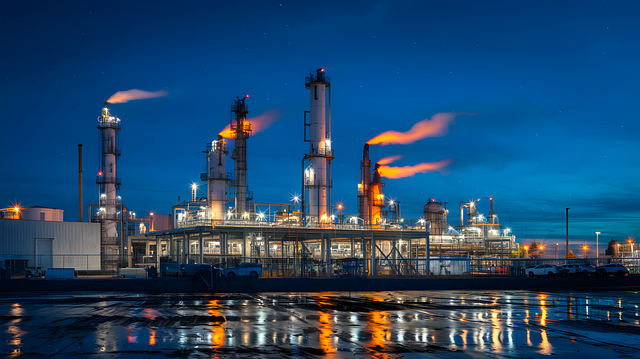
Oil is often called "black gold" because of its high value and importance in the world economy. It powers cars, planes, and cities, and supports factories and industries. Oil also shapes international politics, trade, and economic growth. Besides fueling transportation, it is used to make plastics, chemicals, fertilizers, and many other products. This keeps global oil demand high. Like precious metals, oil prices fluctuate worldwide. These changes are caused by shifts in supply, demand, politics, and the economy, and they affect countries everywhere.
Even though renewable energy is growing, oil is still a key part of the world’s energy supply, especially for transportation. Airlines, ships, and vehicles still need oil-based fuels. Many industries also rely on oil to power machinery, produce products, and move goods. Oil remains a key part of today’s energy systems.
Oil has a big impact on both national and global economies. Countries that export oil earn money from selling it, which helps pay for public services and infrastructure. Countries that import oil need steady supplies to keep their factories and transportation running. Changes in oil prices affect inflation, jobs, and economic stability. Higher prices make it more expensive to produce and move goods, while lower prices can help the economy grow.
Oil is one of the most traded goods in the world. Every day, millions of barrels move by pipeline, tanker, and ship. This trade connects countries that buy and sell oil, and links producers, consumers, and financial markets. Oil prices change based on global demand, production levels, and major world events.
People call oil "black gold" because it is valuable and drives modern life. It powers transportation and industry, shapes world trade and politics, and affects almost every part of the global economy. Even as renewable energy grows, oil remains a major driver of economic growth and global connectivity. Knowing how oil influences the world helps us understand its ongoing effects on economies, policies, and international relations.
Disclaimer: This post is for educational and informational purposes only and does not provide financial, investment, legal, or tax advice. www.vandhdaan.com is not a licensed financial advisor. Please consult a qualified professional before making financial decisions based on this content.


Read More ....


Contact
Newsletter
admin@vandhdaan.com
© 2026. All rights reserved.